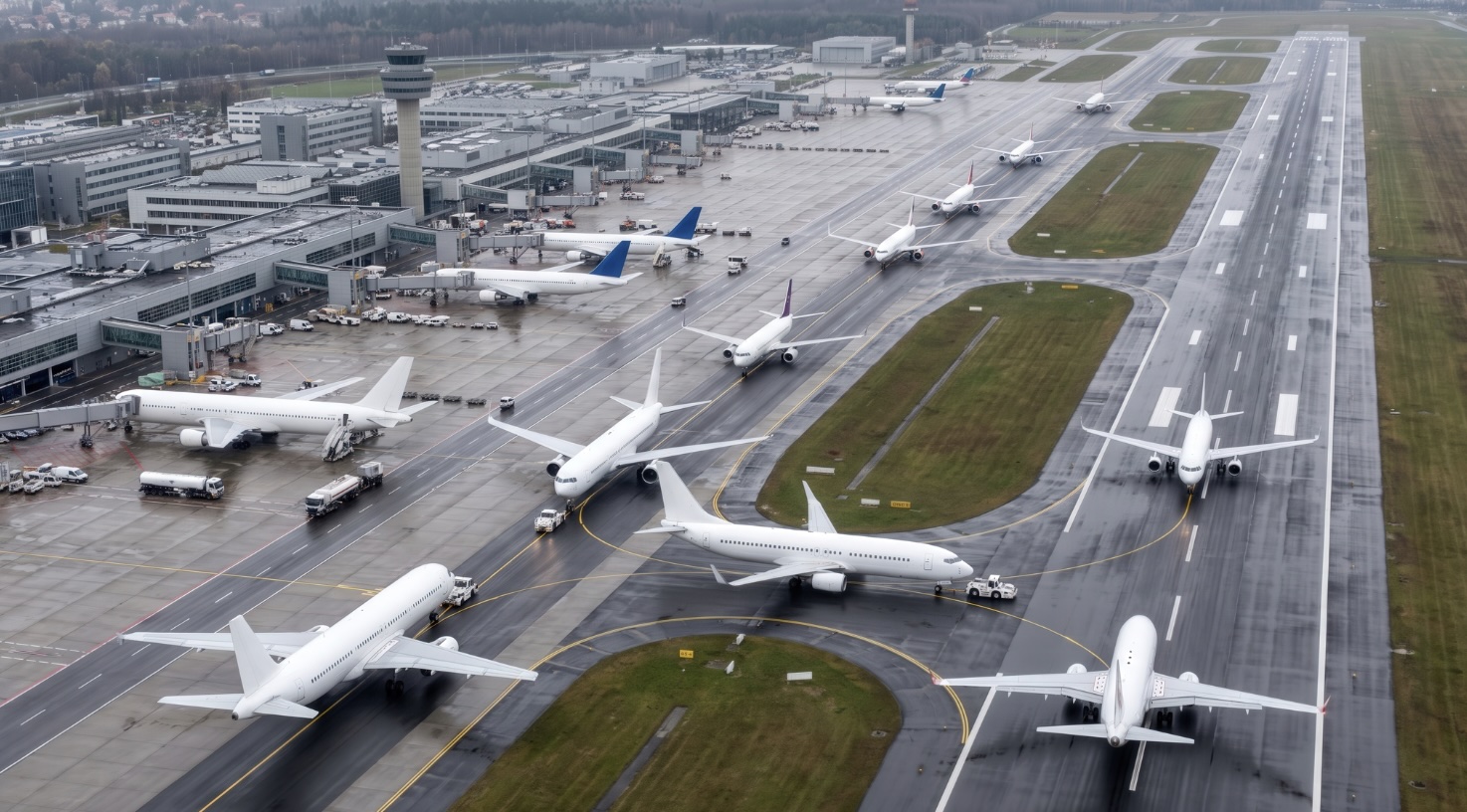
What Is Aviation Administration? Inside TCU’s New Aviation Degree
When you think about a career in aviation, becoming a pilot might be the first thing that comes to mind. But behind every flight is an entire industry of professionals making decisions about airport operations, safety, finance and logistics.
At Texas Christian University, you can now turn that interest into a degree. The new Bachelor of Science in Professional Aviation’s Aviation Administration concentration in the College of Education welcomed its first students in fall 2026. It prepares students for leadership roles with airlines, airports and aviation organizations.
Cynthia Savage, Ph.D., senior associate dean of undergraduate studies in the College of Education, led the program’s development. Her work ran from designing the curriculum to working with aviation professionals across the industry.
What Is Aviation Administration?
Aviation administration is the business, operations and leadership side of the industry. Professionals in the field manage airport operations, oversee safety, coordinate logistics, develop business strategy and navigate complex regulations.
At TCU, the curriculum pairs aviation coursework with finance, marketing, economics, supply chain management, law and strategic management. That mix reflects how the industry works. A decision about expanding an airport, adding an airline route or launching a safety initiative can involve several of these areas at once.
“Aviation professionals rarely make decisions through the lens of just one discipline,” Savage explains. “We want students to leave TCU not simply knowing the individual subjects, but knowing how to bring them together to analyze a problem, make a sound decision and communicate that decision effectively.”
What Will You Study?

Courses include Aviation Finance, Aviation Law, Aviation Safety, Human Factors in Aviation, Aviation Leadership, Air Cargo Operations and a capstone in aviation administration. Through case studies, projects and conversations with industry professionals, students apply what they learn to real aviation challenges.
Faculty bring the industry into the classroom. Adjunct Professor J. Mark McLean spent 26 years as a naval aviator, retired as a U.S. Navy captain and now flies for American Airlines.
“From my experience in the Navy, effective military aviation leadership requires sound judgment, adaptability, disciplined resource management, and the ability to lead personnel and make decisions under pressure,” McLean says.
Why Study Aviation in Fort Worth?
The program grew out of a trend Savage noticed: more Texas high schools adding aviation career and technical education courses. If you’ve taken one of those classes, TCU now offers a place to keep going.
Location sealed it. The Dallas-Fort Worth region is home to a significant concentration of airlines, airports, corporate aviation businesses, and aerospace and defense companies. The industry you’re preparing to enter is part of the community around you.
“Fort Worth and TCU give us the chance to build a program that connects students directly to the industry around them while offering the smaller classes, personal relationship and broader educational experience that distinguishes TCU,” Savage says.
Aviation executives, military professionals, chief pilots and alumni helped shape the curriculum. As the program grows, TCU will continue to add guest speakers, industry projects, site visits, internships and mentorships.
Where Can an Aviation Degree Take You?
Graduates can pursue careers with airlines, airports, corporate aviation organizations, government agencies and other aviation businesses. Roles span airport operations, airline management, aviation safety and logistics.

Aviation also reaches well beyond airlines. Emerging technologies such as drones are increasingly relevant to environmental science, real estate, ranch management, emergency management and sports broadcasting.
You don’t need to arrive with aviation already on your list.
“In fact, a student who has never thought of themselves as interested in aviation may take one of our courses and discover an entirely new area that intrigues them,” Savage explains. “The breadth of our aviation curriculum and exposure to industry professionals give students an opportunity to explore where their own interests might fit.”
Does TCU Have a Professional Pilot Program?
A Professional Pilot concentration is planned for fall 2027. Students must apply separately to the pilot training pathway.
TCU also launched an Aviation Studies minor in fall 2026. It’s open to students in any major who want to explore how aviation connects to their field.
Meet TCU’s First Aviation Cohort
The first Aviation Administration cohort exceeded enrollment projections. It brought together students from multiple states, current TCU students changing majors, transfer students and students involved in ROTC.
Chancellor Scholar Ava Miller ’29 from Duncan, OK is one of them. One of her classes is taught by Adjunct Professor Kyle Mabry ’93 MBA, a former American Airlines executive and adviser to the program.
“Professor Mabry, is amazing and invites guest speakers from all over the U.S. to speak to us every week,” Miller says. “The aviation family here is also tight because it is everyone's first year in this program, and that has made for a very welcoming experience.”
As the program’s first students, they have a unique opportunity to influence what aviation education at TCU becomes.
“These students are helping to shape its culture, traditions, industry connections and identity for the students who follow,” Savage says. “TCU is building this program for where aviation is going, not simply where it has been.”
Ready to explore where a career in aviation could take you?
Learn more about TCU’s Professional Aviation degree, schedule a visit or start your application.