TCU: Where Engineering Curiosity Meets Creation
Engineering students at TCU don’t just learn concepts in a classroom; they apply them through hands-on projects, collaborative labs and real-world experiences. From internships with global companies to sustainability-focused research, students say the program’s personal environment and practical focus make it stand out.
Meet TCU’s Future Engineers
Sydney Adamson ’27 of Santa Monica, CA, London Bachelet ’26 of Denver, CO and Skandha Rajnarayanan ’26 of Chennai, India represent the range of perspectives within TCU’s engineering program. While their interests span mechanical and electrical disciplines, all three were drawn to engineering through curiosity and a desire to understand how the world works.

For Adamson, a mechanical engineering student, that curiosity sparked during a high school fellowship at a medical research lab, where she witnessed how small systems can create measurable impact.
“Engineering felt like a path that would constantly challenge me and allow me to work on problems that matter,” she says.
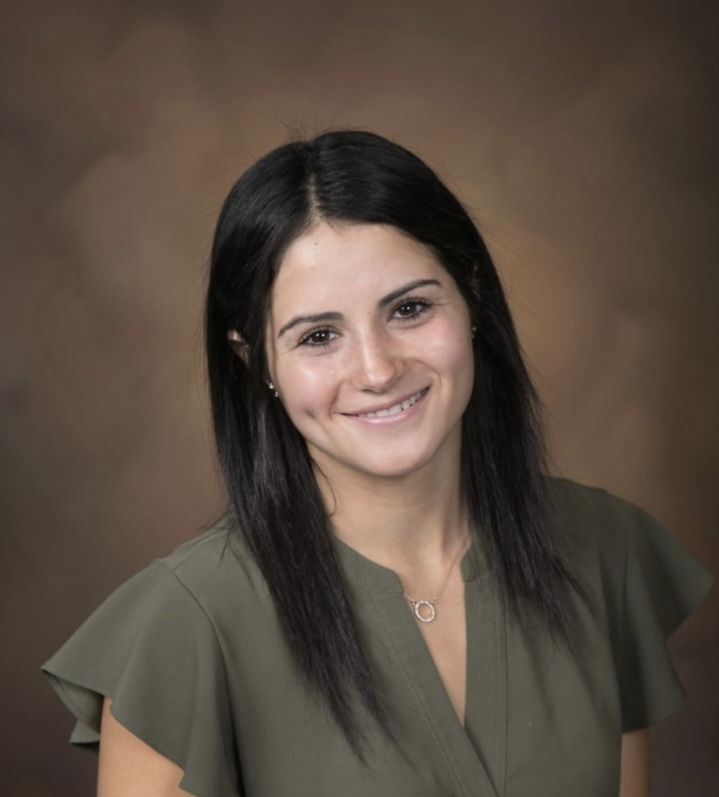
For Bachelet, a mechanical engineering student, the appeal came from the flexibility of the field and the ability to explore how systems are designed. “I realized it was the right path when I found myself genuinely interested in what I was learning and wanting to understand concepts in more depth,” she adds.
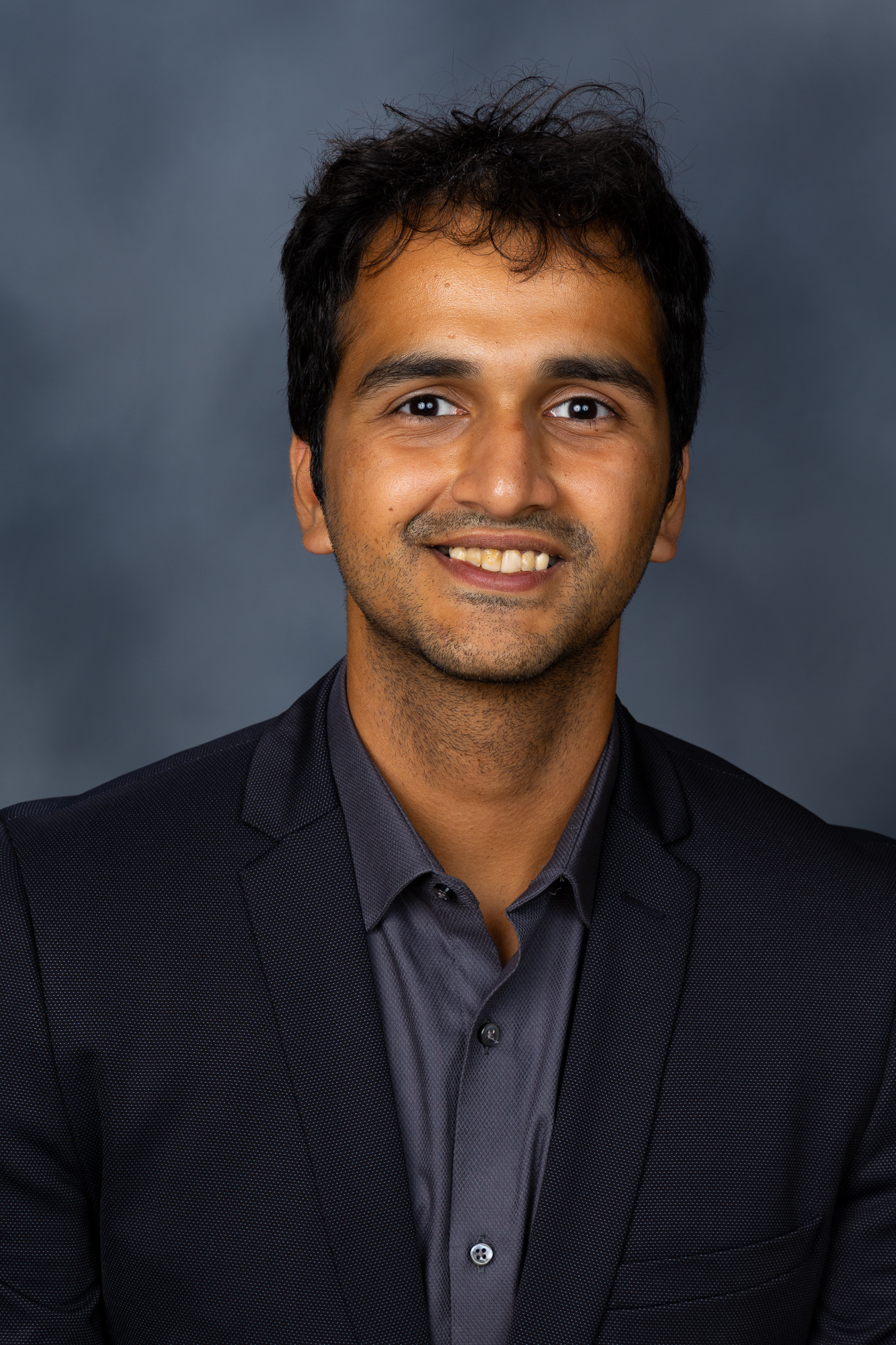
Rajnarayanan, an electrical engineering and John V. Roach Honors College student, approached engineering from both a technical and philosophical perspective, shaped by his interest in science, math and the liberal arts.
“Engineering isn't just about solving problems, but also about defining them,” he says.
Learning by Doing
Labs, design courses and team-based projects are built into every semester, giving students consistent opportunities to test ideas and refine their approach.
For Adamson, those moments of trial and error have been some of the most impactful.
“Some of my most meaningful learning moments have come from labs where things didn’t go perfectly the first time,” Adamson explains.
Working through setbacks, whether recalculating measurements or troubleshooting a design, helps students develop confidence in their process, not just their results.
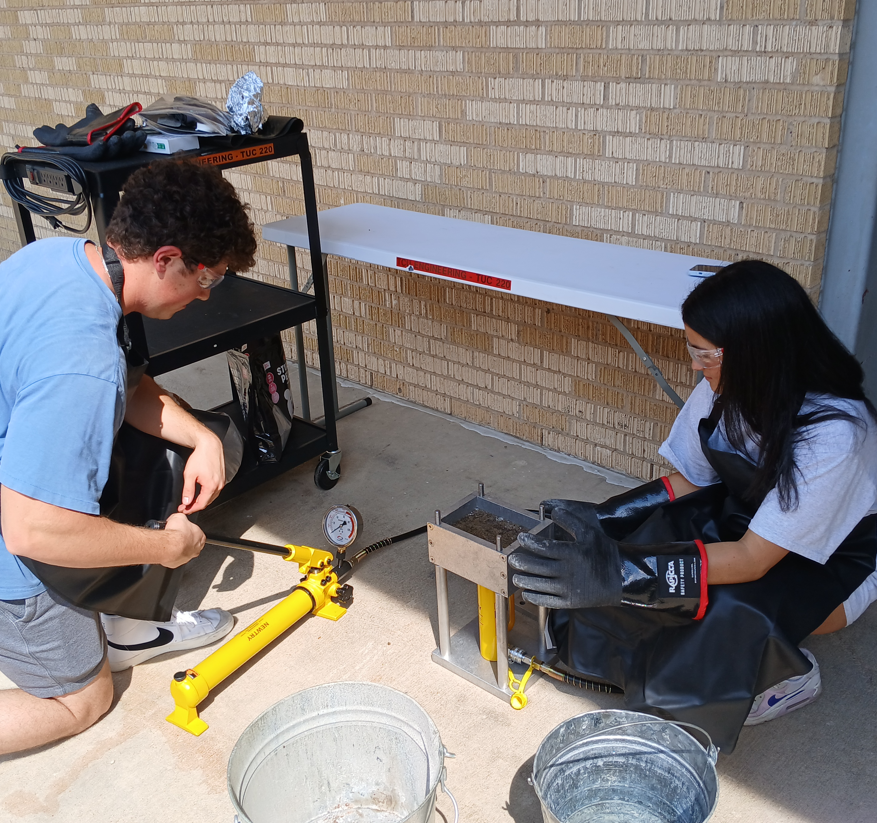
Bachelet has experienced that progression across a range of projects, each building on the last. From sand casting a model of Big Ben to developing a more efficient rapid nebulizer, she has seen how technical skills evolve through repeated application.
For Rajnarayanan, the structure of the program itself reinforces this approach. With labs integrated into coursework and opportunities like robotics competitions and senior design, students are consistently working in hands-on, collaborative environments.
“We’re given the opportunity to gain real, hands-on experience,” Rajnarayanan says.
Making an Impact
Students at TCU frequently engage in projects that have tangible effects beyond campus.
Bachelet’s current work through the Science & Engineering Research Center focuses on turning recycled plastic into sustainable bricks, evaluating their strength and environmental impact as a potential building material.
Adamson has had similar opportunities through her internship with Siemens, an innovative global technology company, where she analyzed workflow bottlenecks and proposed efficiency improvements in a manufacturing setting.
“I wasn’t just completing a school assignment—I was contributing to systems that impact real customers and large-scale infrastructure,” Adamson says.
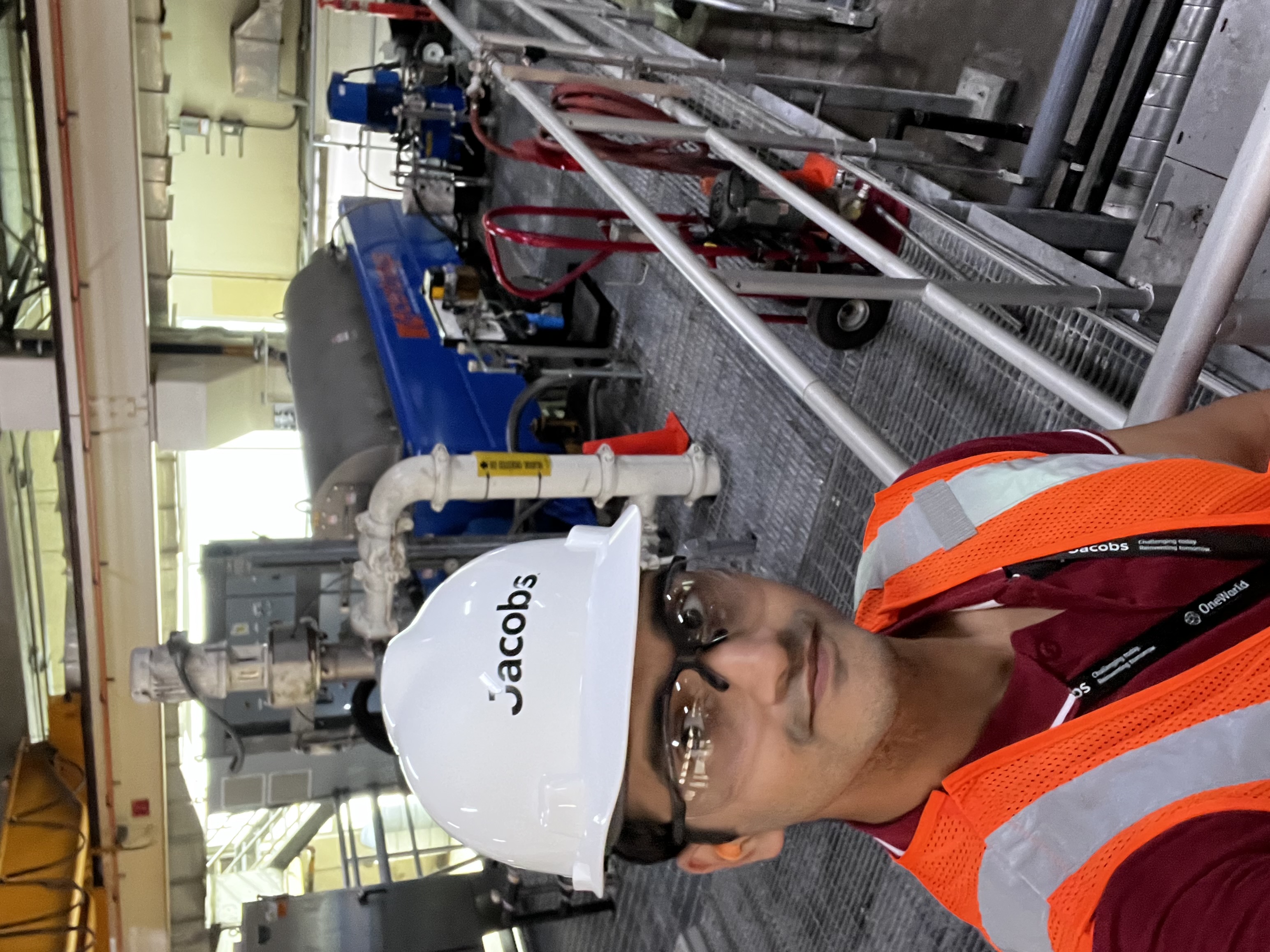
Rajnarayanan’s senior honors thesis extends that impact even further. Leading a multidisciplinary team, he is developing an unmanned surface vehicle (USV), a small, driverless boat that operates remotely or autonomously on the water. This will be used for hydrological surveys to collects data on water depth, underwater terrain and conditions like temperature and movement that helps researchers map and better understand lakes, rivers and oceans safely and efficiently.
“My upgrades to the first version could potentially save the city of San Antonio up to $2M in damages through proactive surveying of the river,” Rajnarayanan says.
A Close-Knit Community
TCU’s engineering programs foster an environment where collaboration and connection are central to the student experience.
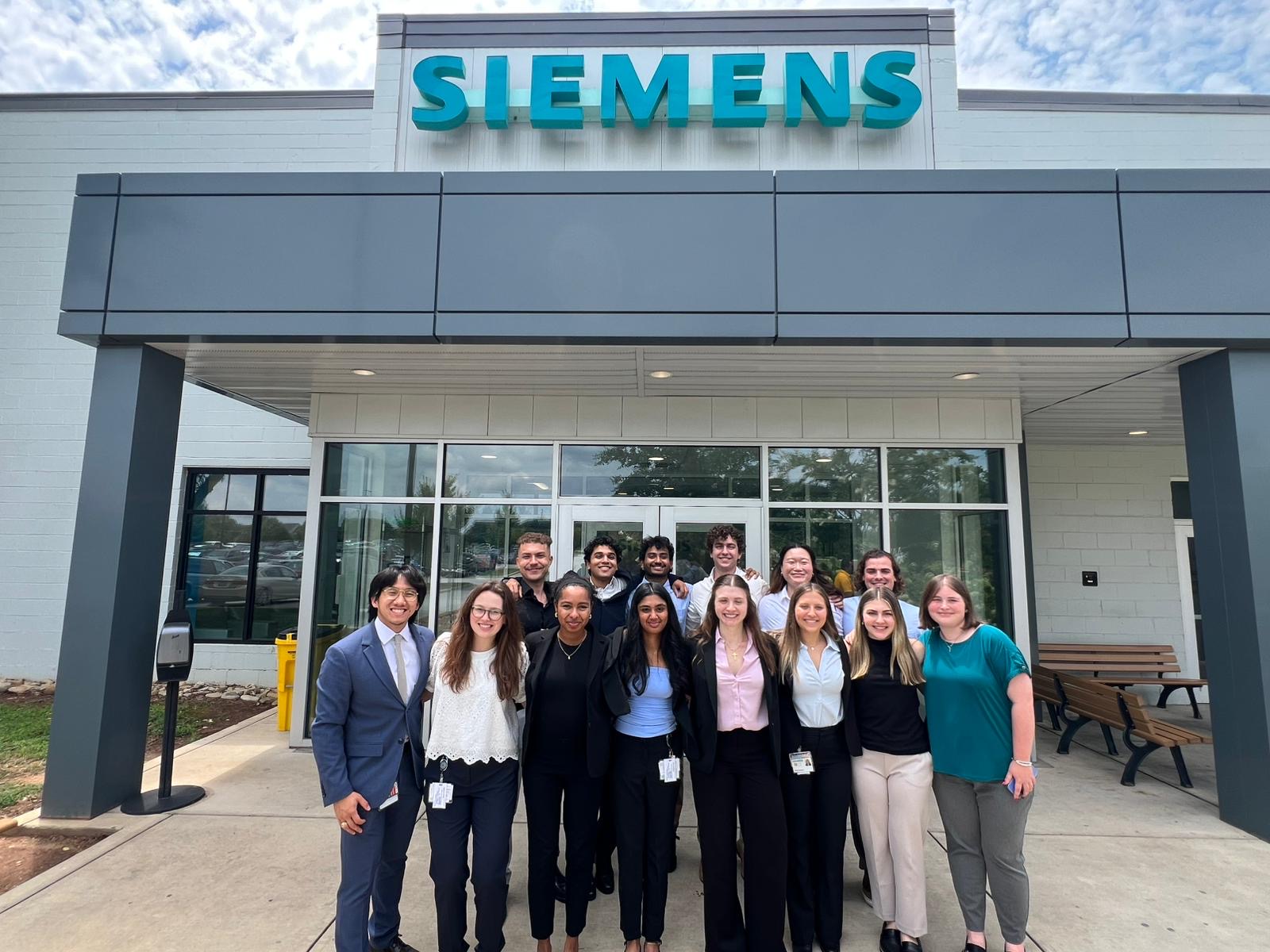 Adamson highlights how this structure makes challenging coursework more manageable.
“We study together, work through labs together and celebrate each other’s wins,” she says.
Bachelet adds that faculty play a key role in creating that supportive environment.
“Professors are deeply invested in student success and have industry experience that helps build professional connections,” Bachelet shares.
Rajnarayanan points to accessibility as another defining feature, from open communication with professors to flexible lab access.
“They keep open lines of communication with us, always giving us access to the equipment when we need it,” Rajnarayanan says.
Getting Involved
The TCU engineering experience extends beyond labs and classrooms. Organizations like the Society of Women Engineers (SWE), Theta Tau (a professional engineering fraternity) and the American Society of Mechanical Engineers provide opportunities for leadership, collaboration and professional development.
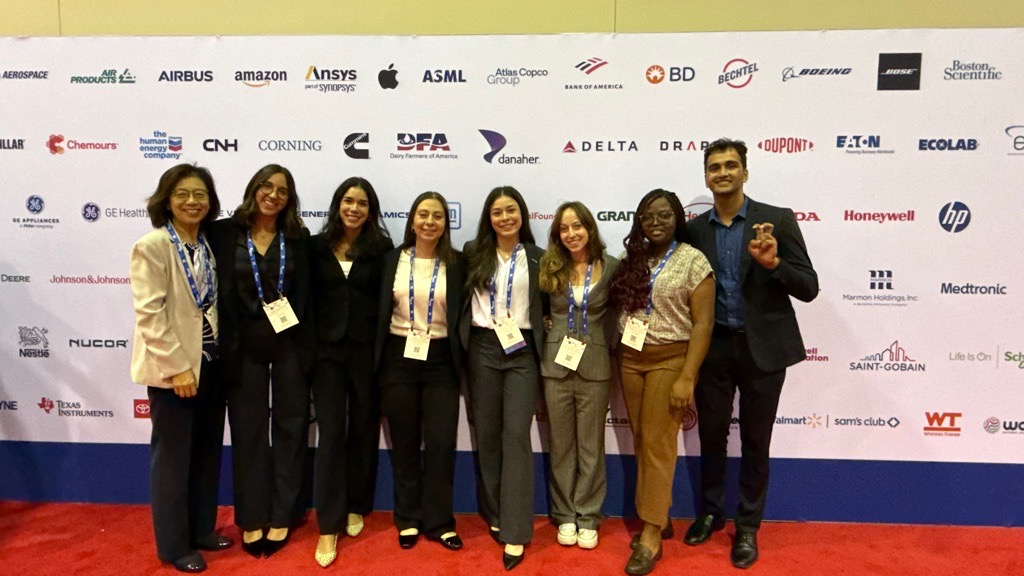 Adamson encourages students to take initiative early and build connections within
the program.
Adamson encourages students to take initiative early and build connections within
the program.
“Get involved, introduce yourself to professors, join engineering clubs—the relationships you build will shape your entire experience,” she explains.
Bachelet emphasizes the importance of exploration and staying open to different areas within engineering.
“Stay curious and explore hands-on projects to discover what areas of engineering interest you,” she adds.
Rajnarayanan highlights the value of taking ownership of opportunities and creating new ones.
“If there isn’t a project for a topic you like, start the project yourself,” he encourages.
As the end of another academic year approaches, all three students are preparing to step into new roles with leading companies across the engineering industry. Their experiences reflect the program’s emphasis on applying knowledge, working collaboratively and developing a clear direction within the field.