The Power of Mentorship
At TCU, mentorship isn’t a program you sign up for; it’s a culture you step into. Across classrooms, residence halls, labs and coffee shops near campus, faculty and staff build relationships that quietly shape students’ confidence, direction and sense of belonging.
During National Mentoring Month, two of TCU’s faculty and staff members, Hall Director Maurice Mull and Robyn Trocchio, Ph.D., associate professor of kinesiology, shared how mentorship shows up in their roles and why its impact often lasts far beyond graduation.
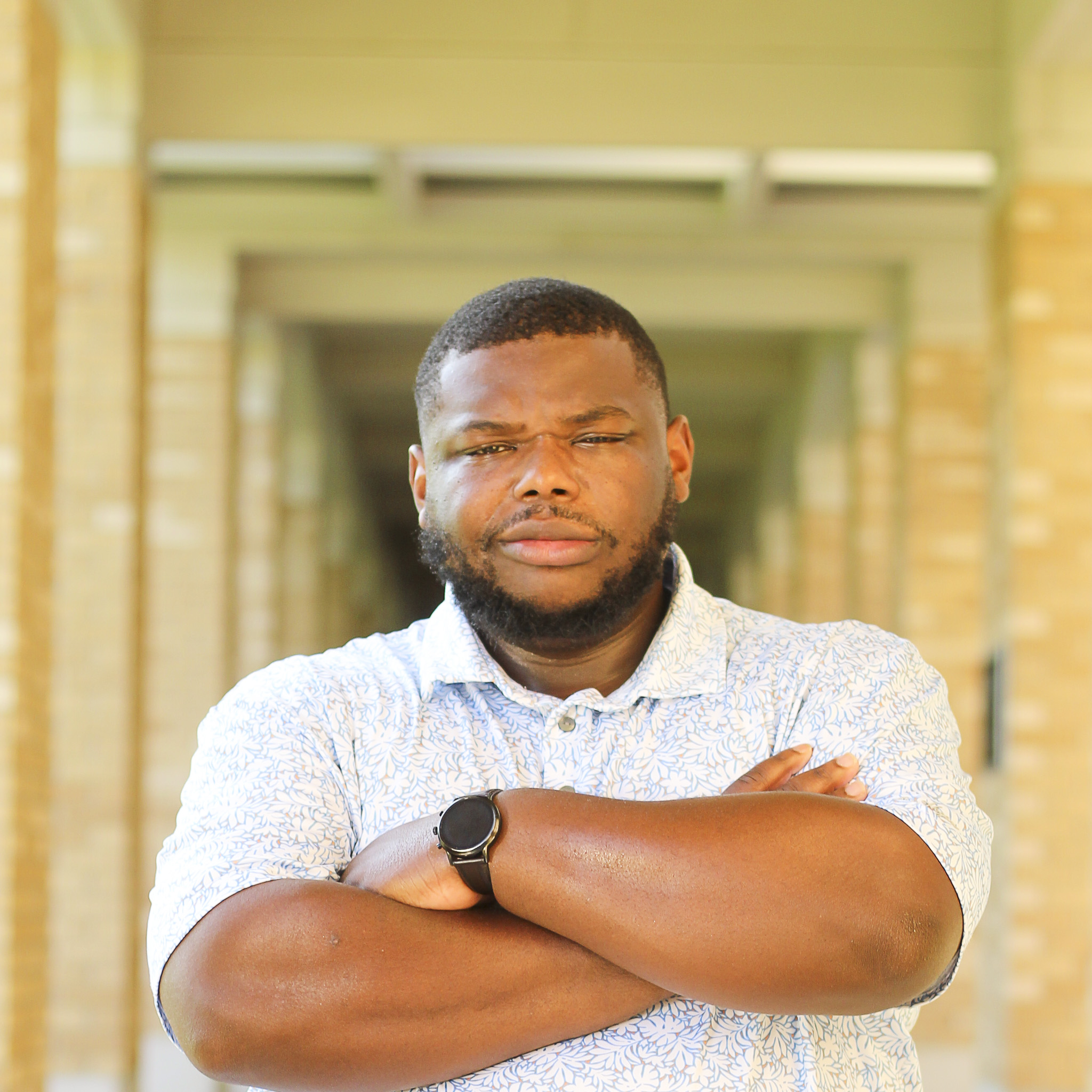
Mentorship Rooted in RelationshipsFor Hall Director Maurice Mull, mentorship emerged naturally. What eight years ago began as simply getting to know students soon became something deeper, as students turned to him not just for answers, but for perspective. Those often informal, unplanned moments revealed both the responsibility and privilege of his role. |
“The first time it clicked that mentorship would be an important part of my role was when a student walked into my office, sat on the couch and asked a question that started with, ‘What would you do?’” Mull said. “It clicked that this was not just a job, but an opportunity to help individuals navigate not just their collegiate experience, but other parts of their lives as well.”
Living where he works allows Mull to build trust through presence – open doors, shared meals and conversations that extend beyond traditional work hours. Even a spontaneous Chick-fil-A run with residents became the foundation for a mentoring relationship that lasted years.

For Robyn Trocchio, Ph.D., mentorship is both personal and generational. Her philosophy is shaped by her own experience as a student and by witnessing the long-term influence her mother, also a faculty member, had on the lives of those she taught. “Witnessing the way she championed her students’ growth taught me that the most lasting legacy a professor leaves is the investment they make in the people they teach and the lives they help shape,” Trocchio said. |
Small Moments, Lasting Impact
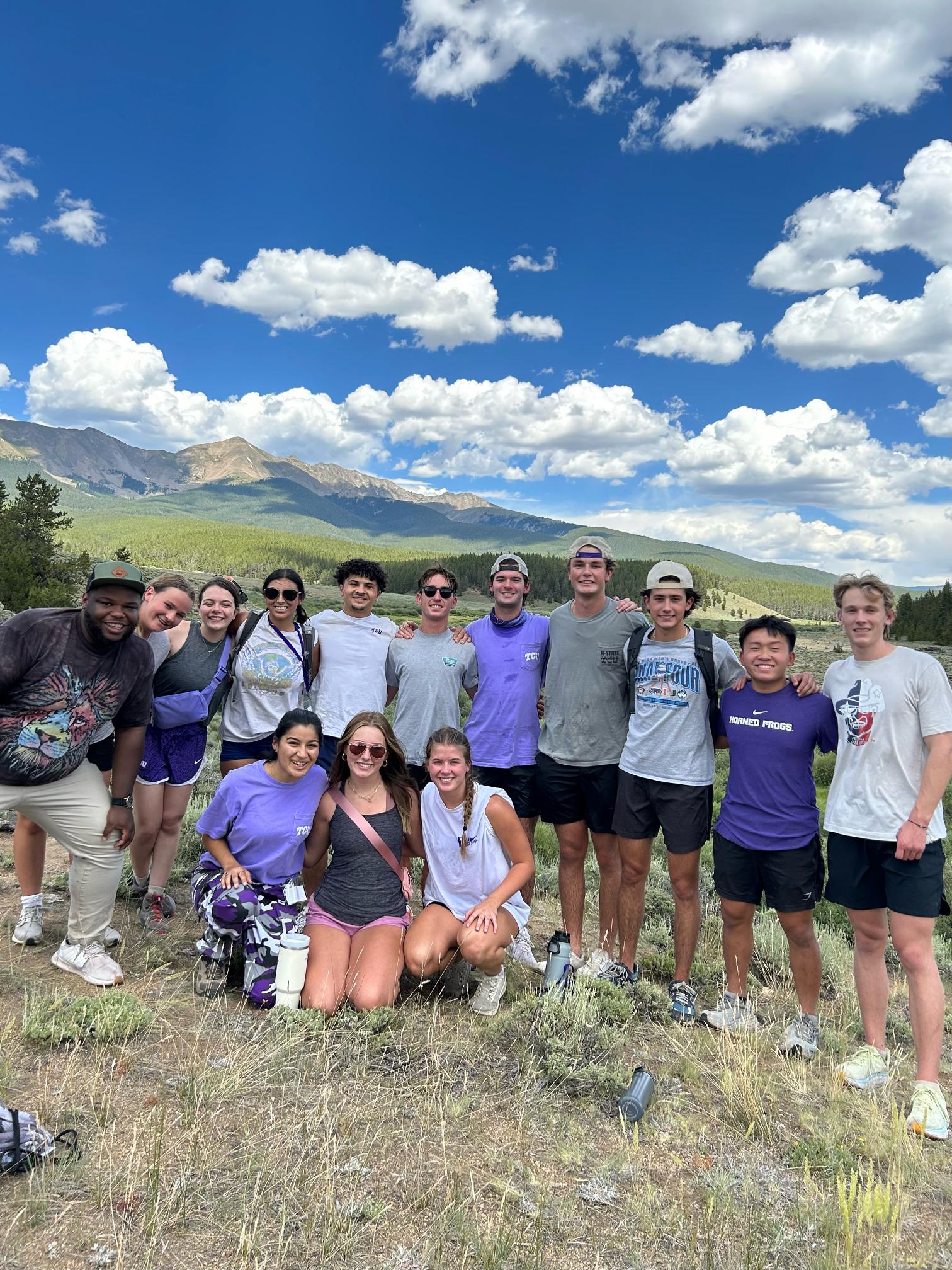
Both Mull and Trocchio emphasized that mentorship rarely begins with a structured meeting or appointment. Instead, it develops through consistent, everyday interactions such as brief conversations before class or office hours that slowly build trust.
In Trocchio’s classes and research lab, those small moments have led students from undergraduate coursework to graduate degrees and doctoral programs.
“All of these journeys began with simple conversations and moments of curiosity,” Trocchio said. “They are powerful reminders that mentorship does not usually start with a formal plan. It grows through relationships built one interaction at a time.”
In residence life, Mull sees mentorship woven into the rhythm of daily life.
“Students don’t always label these interactions as mentorship, but they play a significant role in personal and academic growth,” Mull said.
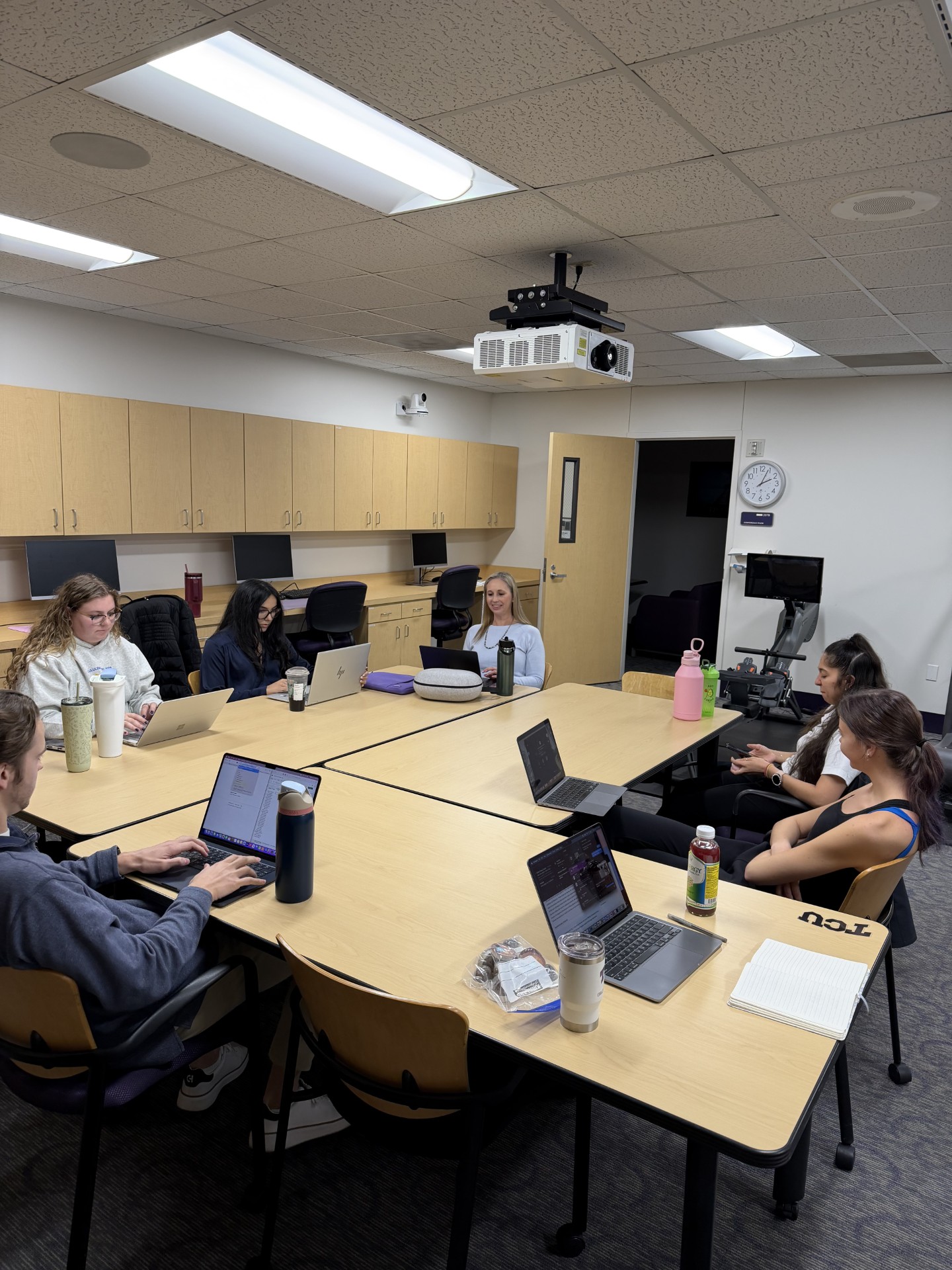
Creating Spaces Students TrustA shared priority for both mentors is intentional approachability. Mull removes barriers by reaching out first, keeping his door open and making it clear he is available. When students know they have someone in their corner, both mentors see a noticeable shift – greater relief, confidence and a willingness to take on challenges. “Conversations often seem less heavy,” Mull said. “They know they have someone willing to help carry the weight when possible, and that changes how they approach new or uncomfortable situations.” |
“I talk openly about non-linear career paths, normalize uncertainty and explicitly invite students to connect even if they do not know what to ask,” Trocchio said. “Mentoring is not about having all the answers; it is about exploring possibilities together. Creating a welcoming environment where students feel seen and valued is especially important for those who may not already feel a sense of belonging in higher education.”
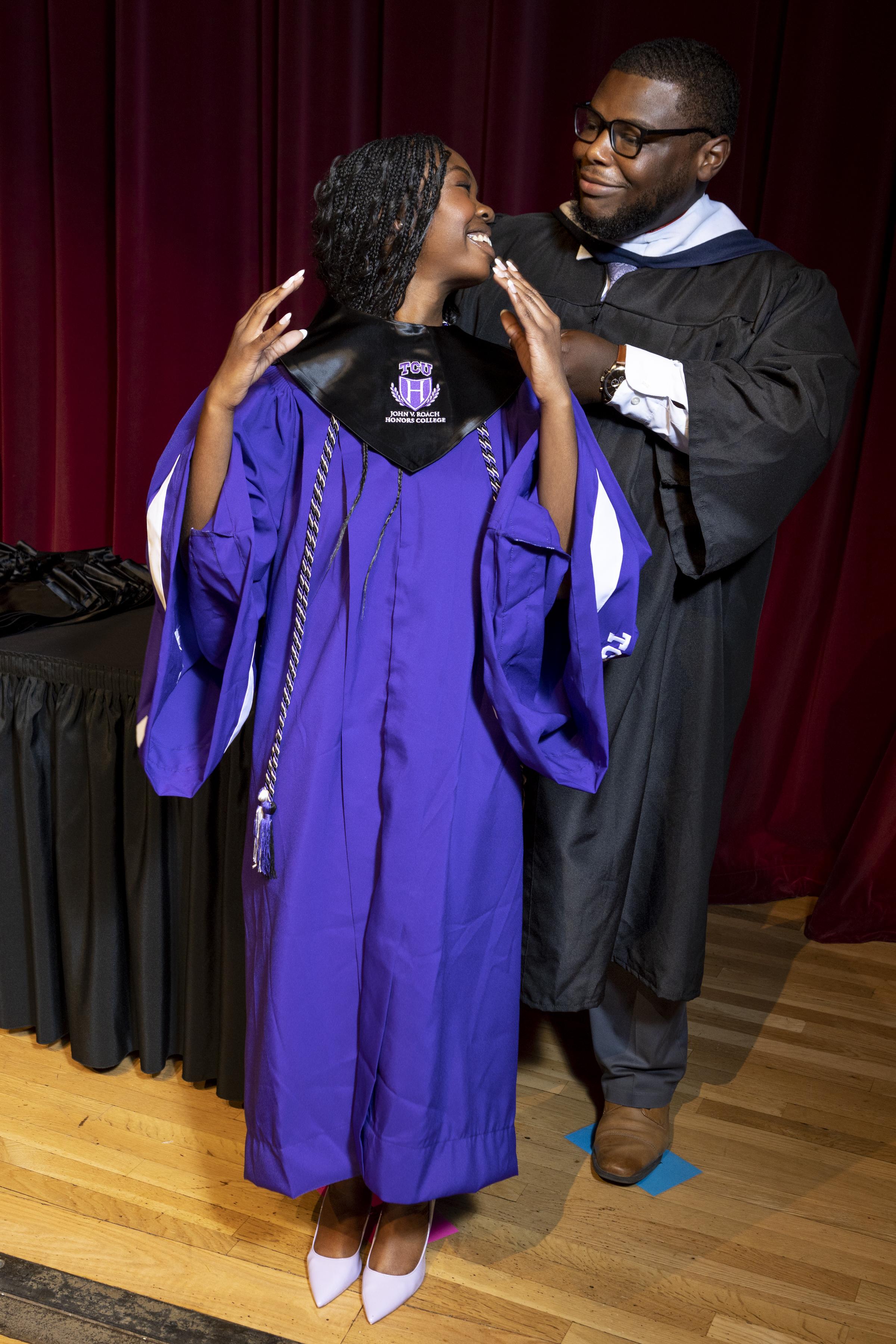
Mentorship Beyond GraduationThe impact of mentorship extends well beyond a student’s time on campus. “Often I find myself still connecting with students throughout their lives – from new careers to marriages, children and new dilemmas,” Mull said. “I am always just an email or call away.” Trocchio experiences that same continuity when former students reach out years later to share how lessons from her classroom continue to guide them. “Seeing them move into the world as confident and capable professionals – whether as researchers, educators or practitioners– is the ultimate success story,” Trocchio said. |
Taking the First Step
Both mentors agree that building a mentoring relationship doesn’t have to be intimidating. A coffee, a meal or a brief visit to office hours can be enough to start something meaningful and potentially lifelong.
At TCU, mentorship doesn’t require having all the answers; it begins with showing up, opening the door and starting the conversation.